※ This article discusses the central premise and the ending of Clair Obscur: Expedition 33. If you would rather experience the ending for yourself, I recommend reading it after you finish the game.
A Refuge Too Beautiful
Everyone has a refuge they want to retreat into, turning their back on the seasons of reality. When the landscape of life grows unbearably harsh, we willingly close our eyes and flee into a world of fiction.
Some slip between the lines of a novel; others curl up in the afterimage of a film; still others step willingly through the screen into a game.
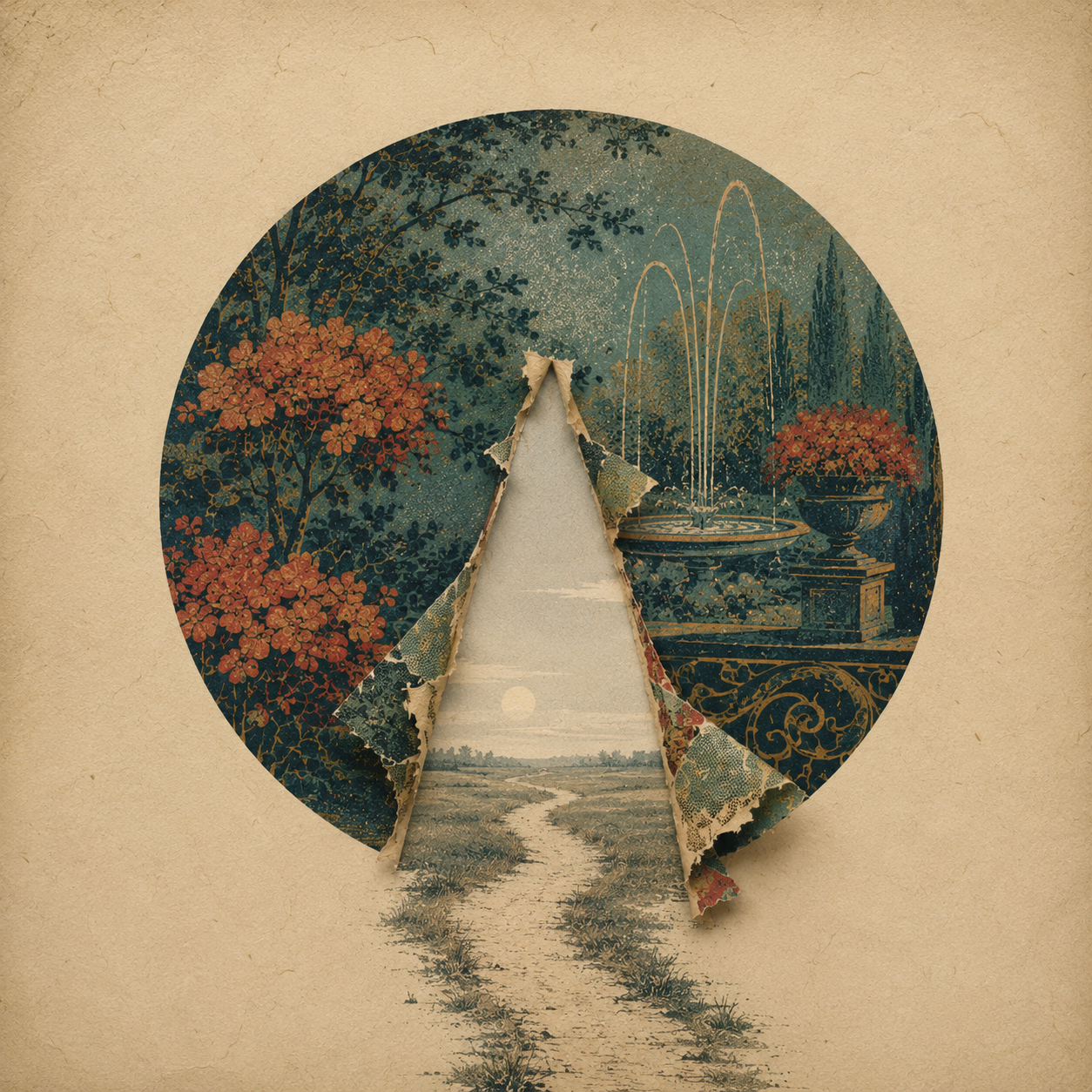
Yet a refuge too dazzling inevitably leaves behind a single question. How long can we remain safe inside this harmless illusion? If the day must come when we finally open the door and walk outside, is this radiant hideaway salvation — or just another prison?
Clair Obscur — the French term for chiaroscuro, that vivid contrast of light and shadow.
A mysterious being called the Paintress awakens once each year to inscribe a number on a colossal stone tablet, erasing every person who has reached that age. This game tells the story of those who set out on a final journey to end her cruel countdown, and true to its name it carries radiant light and deep darkness in one body.
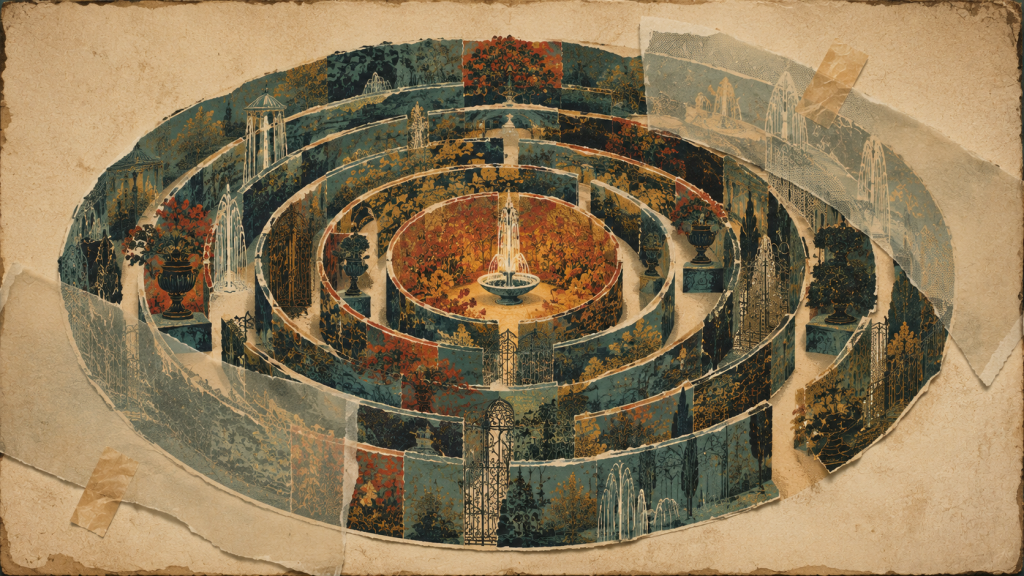
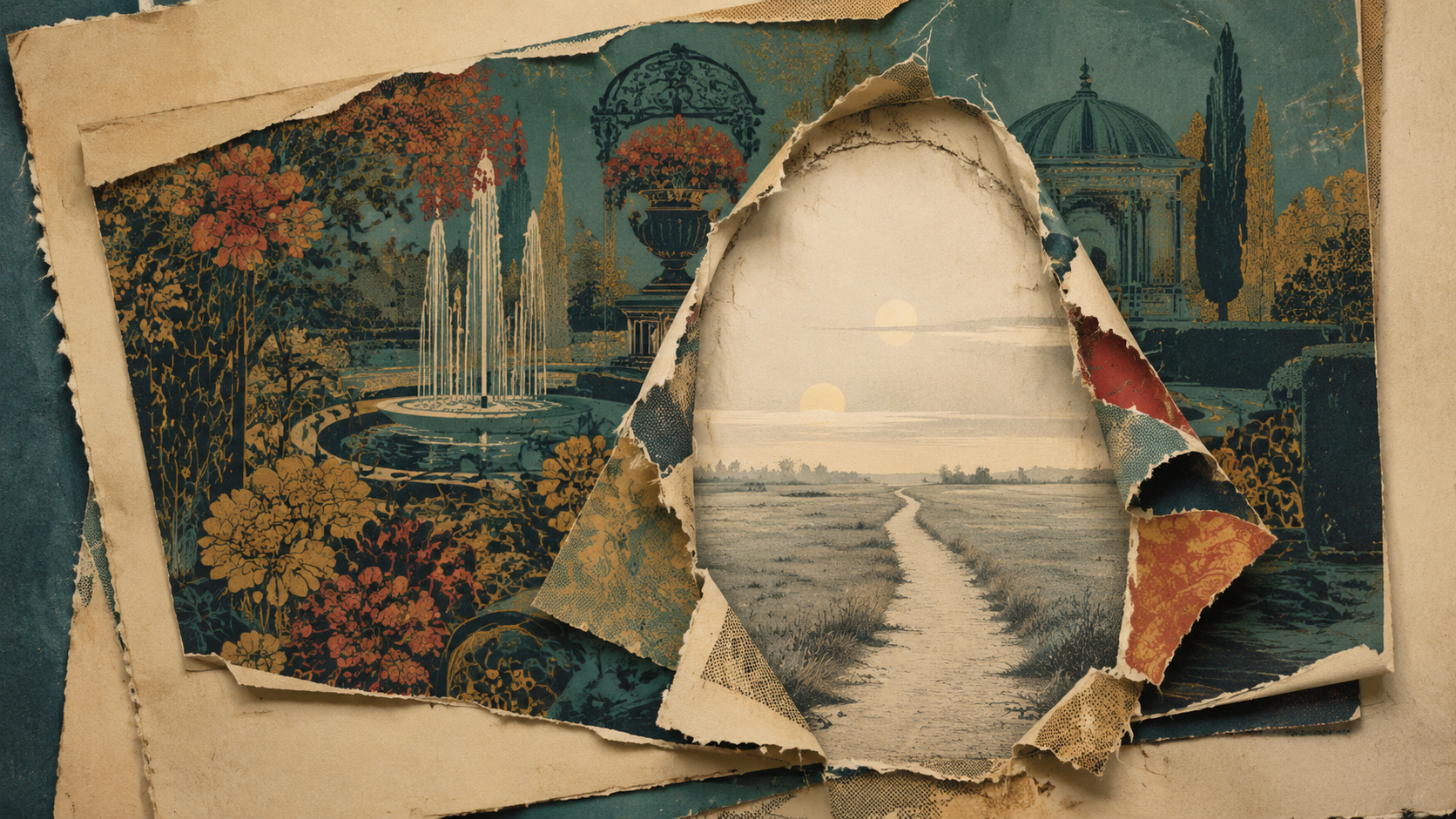
The world the game has woven is strangely beautiful. Even though it is a land of tragedy where people vanish without a trace every year, everywhere the eye rests it is dazzling all the same. Amid the Belle Époque splendor of the city of Lumière, the shards of shattered continents, and a pageant of enigmatic creatures, the ruins sit as serene as a still-life painting.
These landscapes resemble a comforting dream more than signs of the end. It is not only the colors before us that leave this impression. The varied melodies drifting through the ruins give the scenery a peculiar warmth of its own. The game holds a brutal tragedy within it, while clothing that tragedy in the most delicate colors.
When the Paintress draws a number on the great monolith, everyone who has reached that age is erased from the world. This year the number is 33. Next year it will be 32, then 31. Death advances with the certainty of fate, and every year the people of Lumière lose someone they know. That is why an expedition is assembled each year — to stop this merciless countdown.
The longer you play, the more its initial elegance comes to sound like a melancholy requiem. Because death is so close, the landscapes are paradoxically radiant. And then, at some point, you realize: this beauty is not mere decoration. It is a cloth draped over wounds, a frame preserving loss, a mournful refuge woven tight to keep reality at bay.
A World Made Canvas
The Paintress’s brushstrokes are more than a simple curse; they are the overarching metaphor running through the entire story.
In this world, whatever the brush touches becomes real. Death and memory can be painted in, and even a world that already exists can be painted over. Only as the brush comes to a halt do we learn that Lumière itself, so dazzling before us, was an illusion someone had drawn.
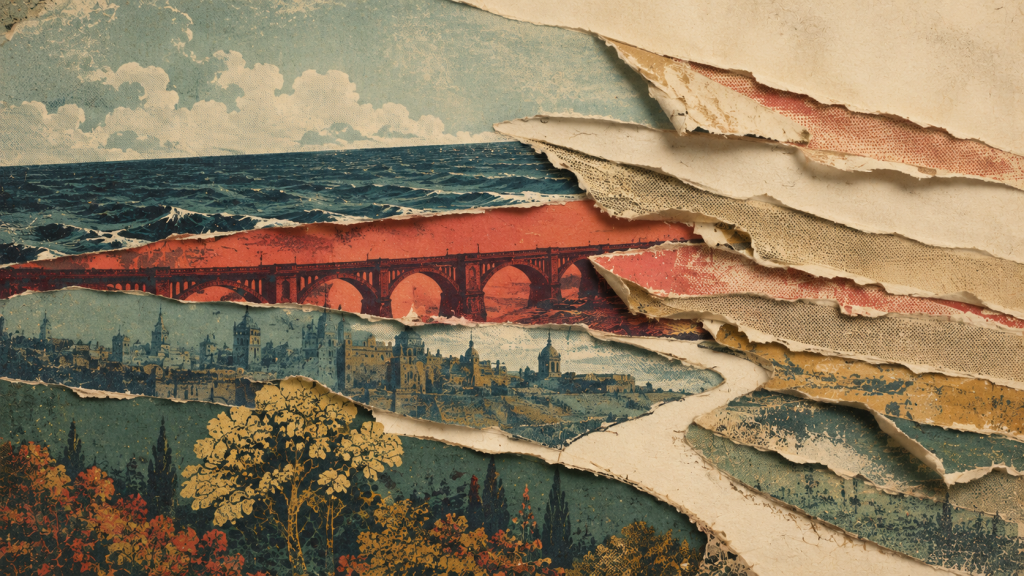
Here, art is not simply sublime. The power to create a world doubles as the walls that imprison it. Memory opens a space to breathe, yet in the end it shackles a person to the past; beauty is the painkiller for loss and, at the same time, the sweet chain that keeps you from ever escaping it.
Lumière was not a real stretch of land but a painting, a world within a canvas. Its painter was Verso, a young man who loved music more than painting. He died in a fire set by a hostile faction, and the flames took his sister Alicia's face and voice as well. For Alicia, the one who survived, the memory of that day remained a deep source of guilt.
Yet the last of Verso's soul had seeped like a stain into the canvas he left behind. His mother, Aline, could not turn away from that trace and eventually stepped into the painting. She shut herself inside the only world where her son was still breathing.
Mourning, Divided
The Paintress was not a monster. The immense figure who painted a number each year and erased the world was Renoir's wife, Aline. Unable to leave her dead son's side even for a moment, she was a sorrowful soul who had grown still within an endless grief.
His father, Renoir, took a different path. He entered the canvas himself to tear the painting apart. He wanted to bring his wife out of the illusion in which she was slowly withering. Before it was too late, so that they could at last grieve and let go.
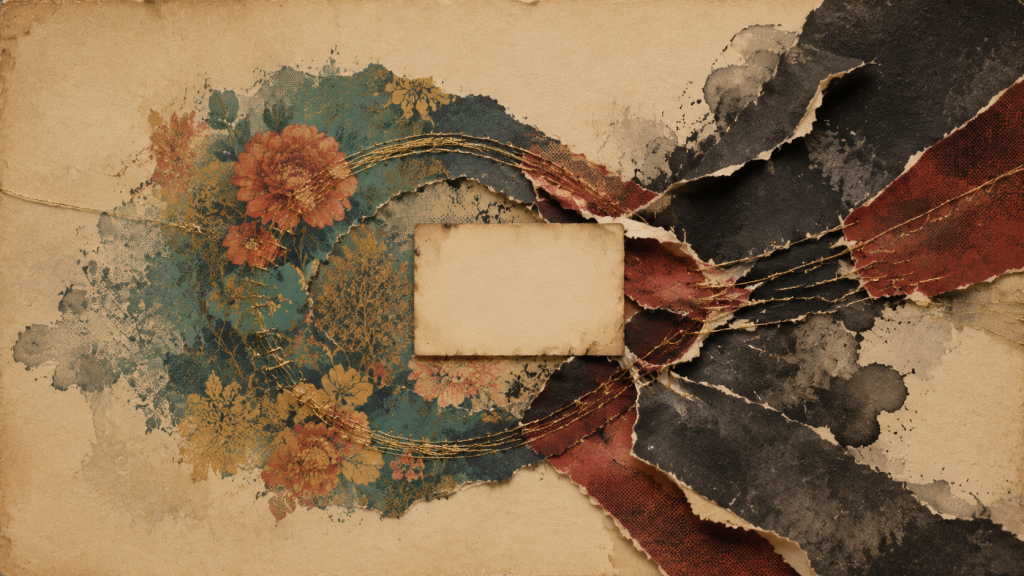
One parent held the lost child close and tried to preserve the world; the other believed that only by breaking that world could those still living go on. In the end, the great tragedy of Lumière was a landscape shaped by two parents whose hearts split apart over how to mourn.
The game quietly says, “Face reality,” without ever looking away from the cruelty of that command. For Alicia, burned and voiceless, blaming herself for her brother's death, reality can hardly be a gentle place. The scars on her body, the words she never managed to say, and the guilt that will not leave are all waiting there. Sometimes, then, being told to face reality is another act of violence, rather than comfort.
To Keep It, or to Walk Out
In the end, the game leaves this heavy choice to the player. To remain within the grief, or to leave it behind and walk out.
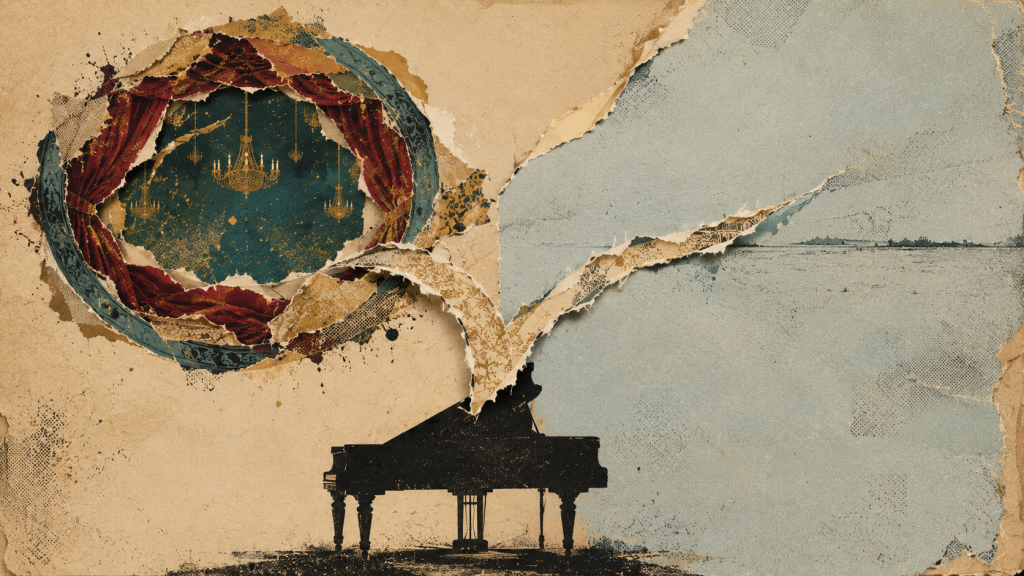
In one ending, Maelle chooses to stay inside the canvas. She takes up her mother's brush and paints back what was lost. Dead companions return, and the city regains its brilliant light. At first glance, everything seems to be back in place. But the revived Verso keeps resisting at the piano in the opera house, refusing to play. He had already wanted to leave. For him, this resurrection is closer to being dragged back into an unwanted life than to being saved.
Thick paint has spread around Maelle's eyes as she sits in the audience. Her face looks just like her mother's, who lost herself trying to hold on to her son. The dead cannot be released, and the living remain trapped with them. The world that looked so perfect barely holds its shape at someone else's expense.
At the end of the other path, Verso tears the painting apart. As the canvas collapses, everything inside it scatters like a mirage. The companions we fought beside, the lives we thought had been recovered, vanish along with the dazzling landscape. Maelle has to say goodbye again to people she has already lost once. Perhaps this farewell is even harder to accept than the first.
Neither can be an entirely happy ending. Keep the painting, and time stops for the living; destroy it, and everything is lost again. Faced with such a cruel choice, can we insist that tearing the canvas is the only proper way to mourn? The reality Maelle must return to is a hell full of self-reproach and silence. Only inside the painting could she finally smile. We can hardly dare call her choice cowardly.
The game does not rush to judge. It does not blame those who sank into the beautiful world, nor does it unconditionally praise those who broke their way out. Some made memory itself their life; others chose to carry on living with the ruins of memory in their arms.
Outside the painting, the family stands before a gravestone in the real world. There is no grand melody, no magical return to life. The scene is utterly ordinary, and the sunlight falls without ceremony. They stand there for a long time and finally begin to grieve properly.
Someday they will turn away from the grave and step back into their daily lives. They will eat, go to sleep, and live another day that way. The colors may not belong to a masterpiece, but morning will still come. A real morning, one no one has painted over.
Morning Beyond the Painting
Perhaps I, too, had a canvas like that — cozy imaginings I held onto for a long time. Whenever the surface of reality grew unbearably rough, I would slip away into a finely woven world. There, even ruins were elegant; failure had its own grammar; and even bare, naked loss somehow put on lyrical colors.
That is why I can no longer readily condemn someone else's escape. Some refuges are places to lean for a while to keep from falling apart, more than signs of weakness. Sometimes fiction lets us catch our breath first, and only then do we find the strength to bear reality again.
What is clear, though, is that any world you inhabit too long ends up looking like yourself. The sentences I have shaped, the worlds I have cherished, the countless narratives I have returned to over and over — they are comfort and, at the same time, a heavy anchor holding me fast. Inside them I can exist as someone a little safer, a little less broken, but it is precisely that harmlessness that means I must not stay forever.
But leaving and denying are different things. In the end, the painting tears, the music stops, and the sentences disappear. Even so, the warmth we felt there, if only for a moment, need not crumble with them. After the lights go out, their glow stays in our eyes for a while. We can carry the bright light we found there and step outside again.
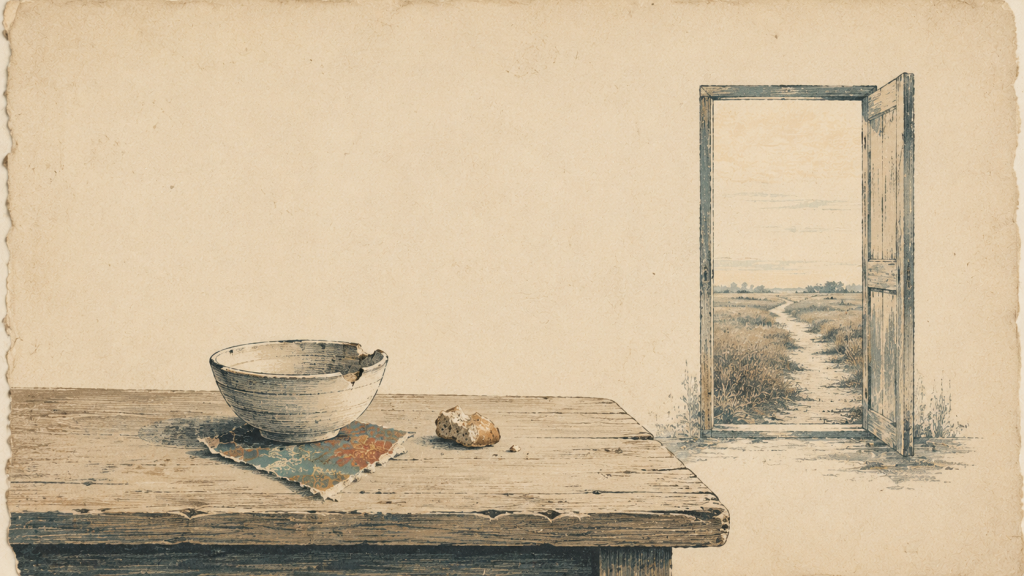
Perhaps returning to reality is not about ceasing to believe in beauty, but about learning to live a quiet day without it. And every once in a while, the evening light that greets you when you come safely home after an uneventful day will become its own lonely, lovely scene.
Comments0Read and comment
Different opinions are welcome. Comments containing advertising, repeated posts, hate or threats, or someone else’s personal information may be removed.
Leave a reply